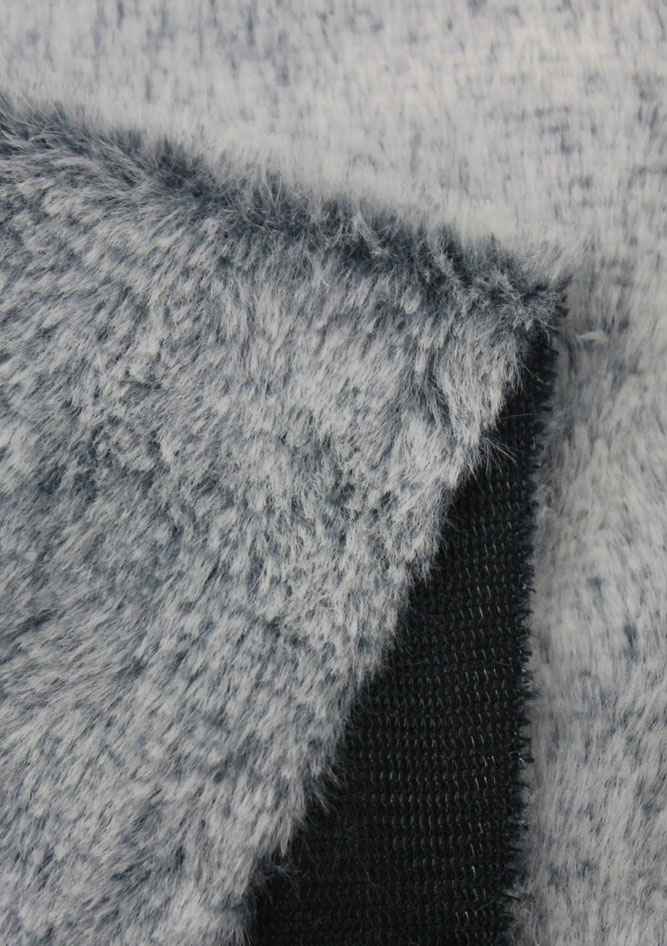
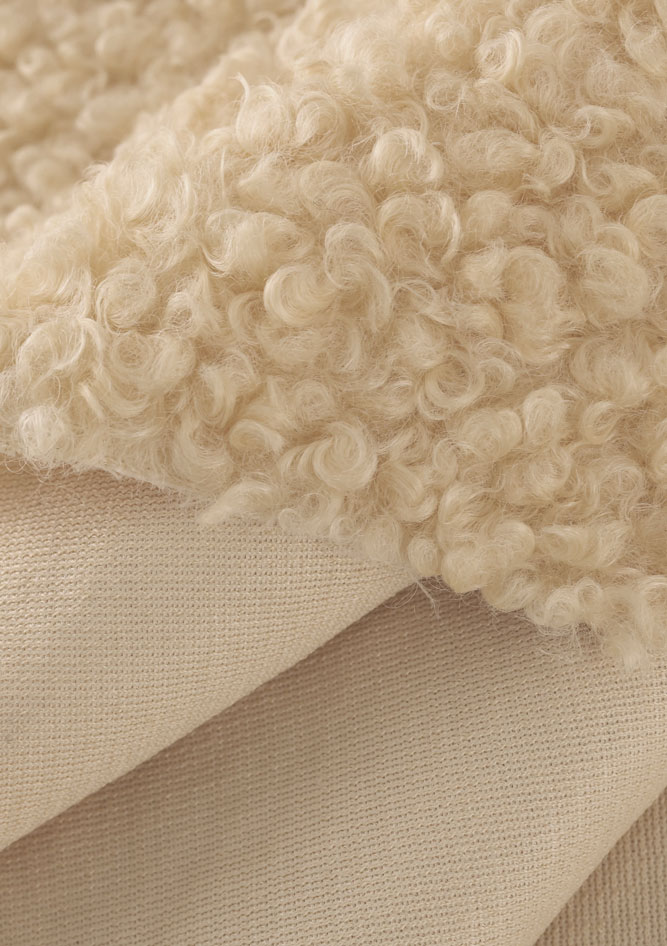
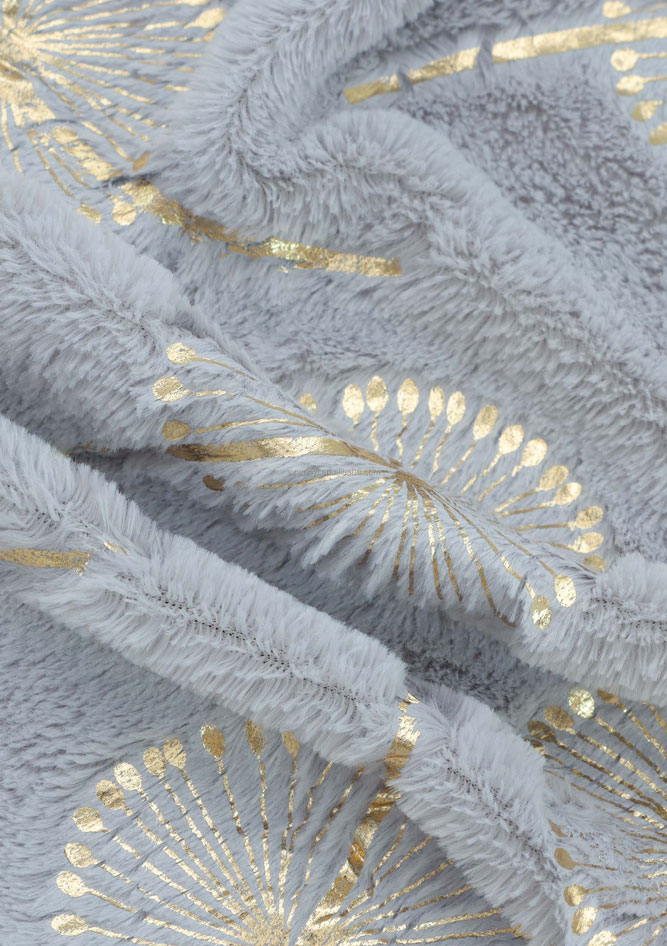
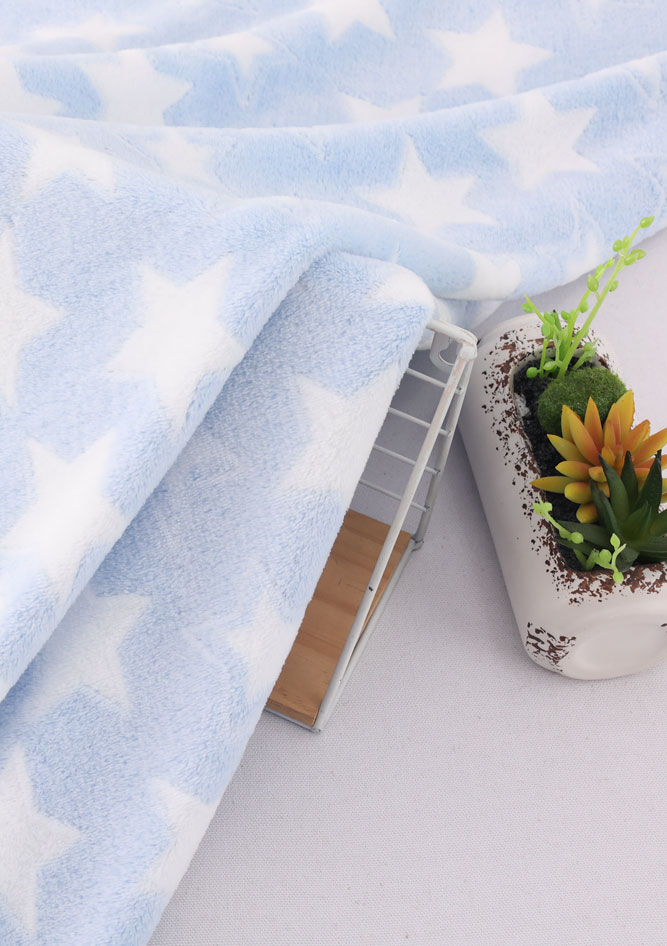
인조 여우 모피 원단 천연 여우 모피의 모양과 느낌을 모방한 고급스럽고 고급스러운 질감으로 유명합니다. 그러나 이 합성 소재는 특유의 부드러움과 푹신함을 유지하기 위해 특별한 주의가 필요합니다. 적절한 관리가 이루어지지 않으면 섬유가 뭉치거나 엉키거나 납작해져서 직물의 시각적 매력이 떨어질 수 있습니다. 이 가이드는 인조 여우 모피의 고급스러운 품질을 보존하여 수년 동안 부드럽고 푹신한 상태를 유지하기 위한 실용적이고 실행 가능한 방법을 제공합니다. 인조 모피 의류, 액세서리 및 가정 장식 품목의 많은 소유자는 ...
더 읽기
회사 소개
Shaoxing Wanyi Textile Co., Ltd.
Zhejiang Shaoxing Wanyi Textile Technology Co., Ltd는
중국 트위드 원단 제조업체 및
맞춤형 트위드 원단 회사. 2019년에 설립되었으며 아시아 최대 섬유 거래 센터인 Keqiao 노스 링크 마켓 1구역 1층에 위치해 있습니다. 설립 이후 회사는 플러시 원단에 대한 원스톱 솔루션 제공에 주력해 왔으며, 가격 우위, 품질 우선, 고객 우선, 상생 원칙을 준수하여 품질을 보장하면서 최고의 시장 가격으로 고객에게 최고의 제품을 제공합니다. 동시에 회사는 운영 모델에서 사회적 책임과 지속 가능한 개발에 더 중점을 둡니다. 현재 원단 디자인, 생산 및 판매를 통합한 종합 현대 기업으로 성장했습니다. 회사는 16년 동안 플러시 시리즈 제품을 취급해 왔으며, 주로 단색, PV 벨벳, 인조 모피, 호일, 자수, 브러싱 등의 공정을 다룹니다. 해외 상인에게 공급하는 데 특화되어 있으며, 현재 미국, 러시아, 인도 및 유럽 시장에 중점을 두고 있습니다. 협력 공장을 신중하게 선택함으로써 고객의 시장 경쟁력을 향상시킬 수 있으며, 고객으로부터 여러 긍정적인 평가를 받고 있습니다. 우리의 사명은 녹색 섬유 기술에 기여하면서 모든 직원에게 가치를 창출할 수 있는 플랫폼을 제공하는 것입니다. 우리의 비전은 세계 최고의 플러시 원단 제조업체가 되는 것입니다. 기업의 가치: 올바른 사고 방식을 사용하여 선을 위해 행동합니다.
뉴스
-
-
쇼룸에서 동일한 남색 소파 두 개를 선택하면 같은 질문을 듣게 될 것입니다. 하나의 가격이 왜 20% 더 높습니까? 답은 견본 태그에 작은 글자로 적혀 있습니다. 퍼포먼스 벨벳 . 퍼포먼스 벨벳은 실험실 테스트를 통해 얼룩, 액체, 마모 및 분쇄에 대한 저항성을 추가하는 동시에 클래식 벨벳의 조밀하고 부드러운 촉감을 유지하도록 설계된 실내 장식품 직물입니다. 벨벳 소파가 벨벳 로프 뒤에 사는 대신 거실에서 살아남을 수 있게 해주는 소재입니다. 벨벳의 약점은 결코 외모가 아니었기 때문에 카테고리는 빠르게 성장...
더 읽기 -
독특한 질감과 성능에 대한 이해 대형 입자 봉제 직물 올바른 용도에 맞게 선택하는 첫 번째 단계입니다. 이 직물은 두툼하고 명확하게 정의된 파일 구조로 정의되며, 이는 미세한 마이크로플리스나 표준 플러시 천과 크게 다릅니다. 개별 "입자" 또는 다발은 일반적으로 두꺼운 실로 형성되며 종종 선형 밀도가 300dtex를 초과하여 더 무겁고 질감이 있는 표면을 생성합니다[인용:3]. 이 구조는 내구성, 단열성, 촉감이 독특하게 조합되어 충격이 심한 특정 용도에 적합합니다. 가정용 직물의 주요 응용 분야 이 직물의 가장...
더 읽기
트위드 원단 산업 지식
Understanding Chanel-Inspired Fabric: Composition, Texture, and Applications
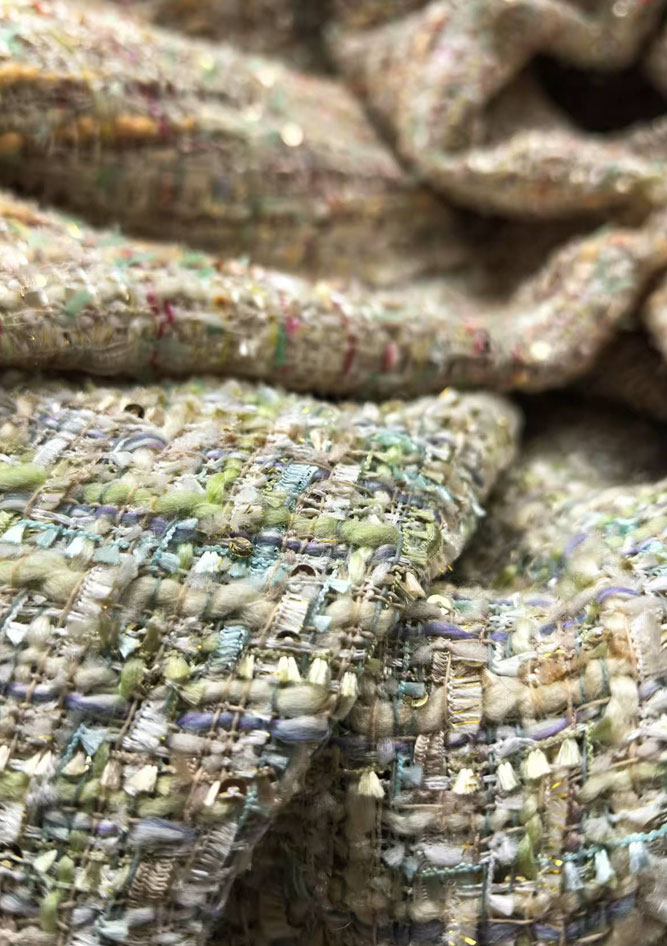
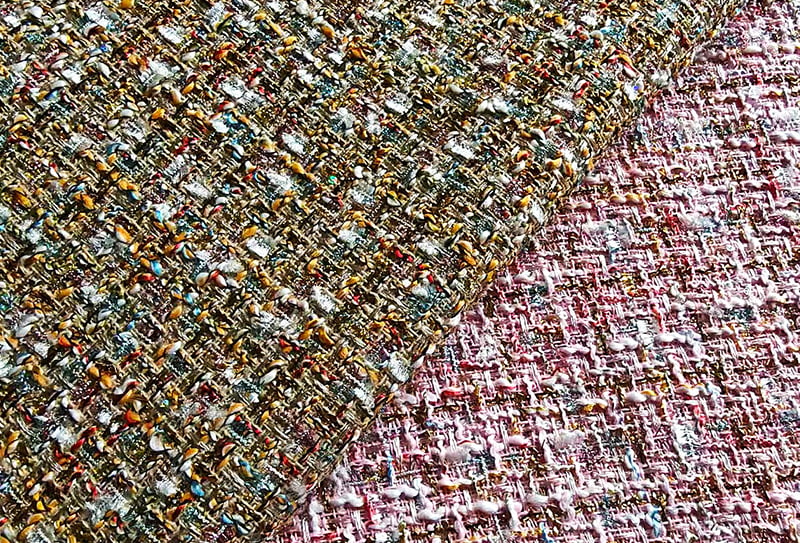
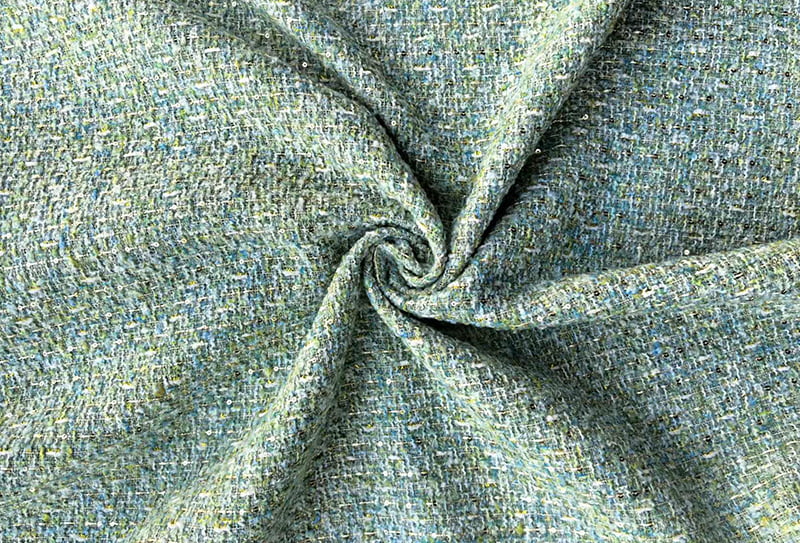
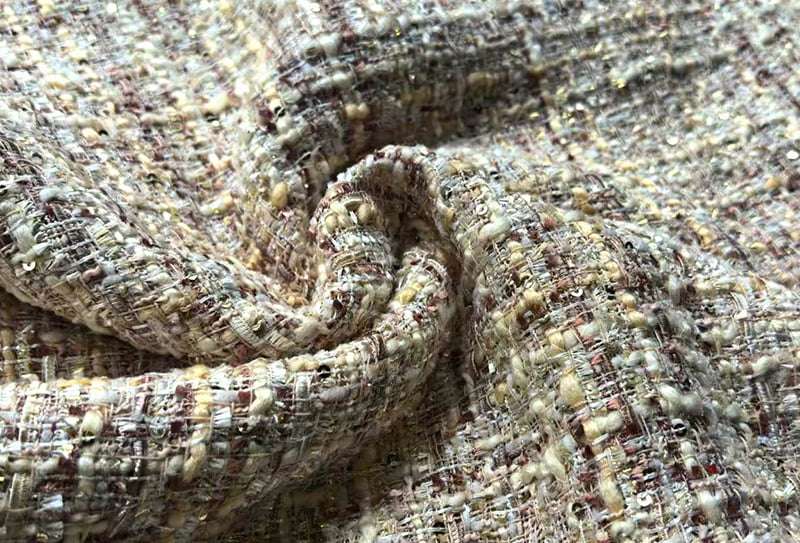
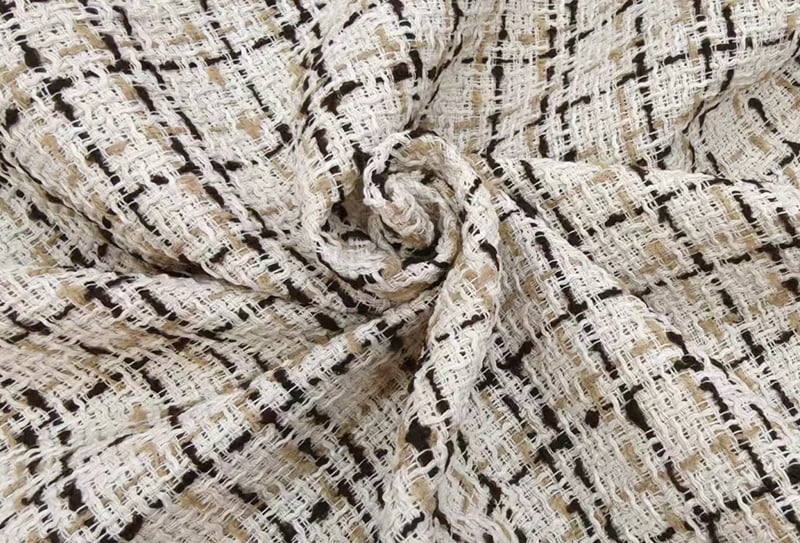
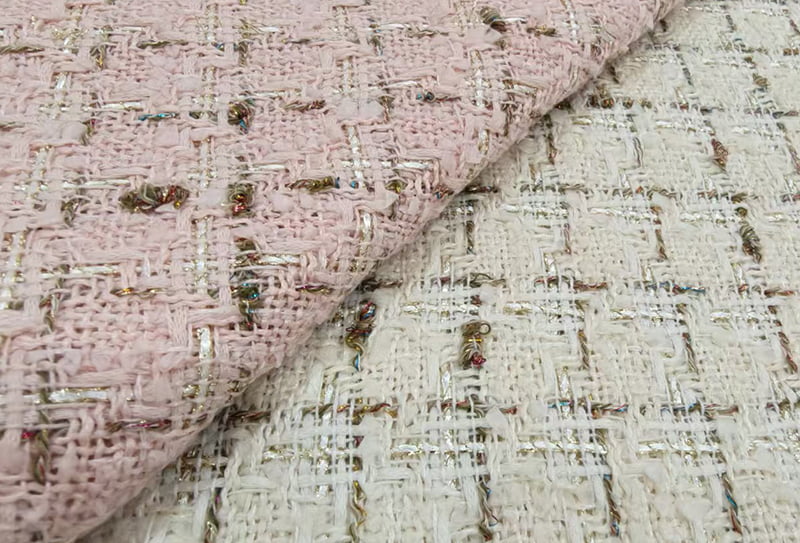
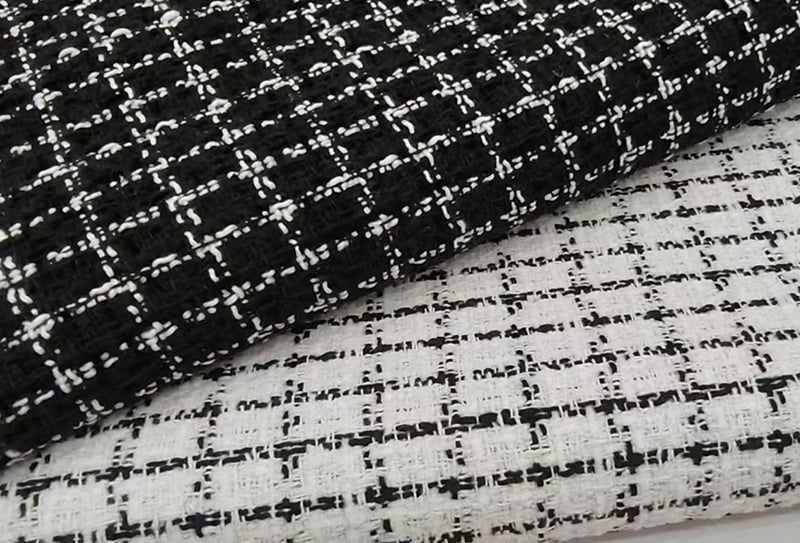
Chanel-inspired fabric is a high-end textile that draws design cues from the iconic aesthetics of the Chanel brand. Known for its elegance, classic patterns, and refined textures, this type of fabric is widely used in fashion apparel, accessories, and luxury home décor. Its popularity stems from its sophisticated weave, often featuring intricate patterns, boucle textures, and a blend of different fibers to achieve both visual appeal and durability.
Composition
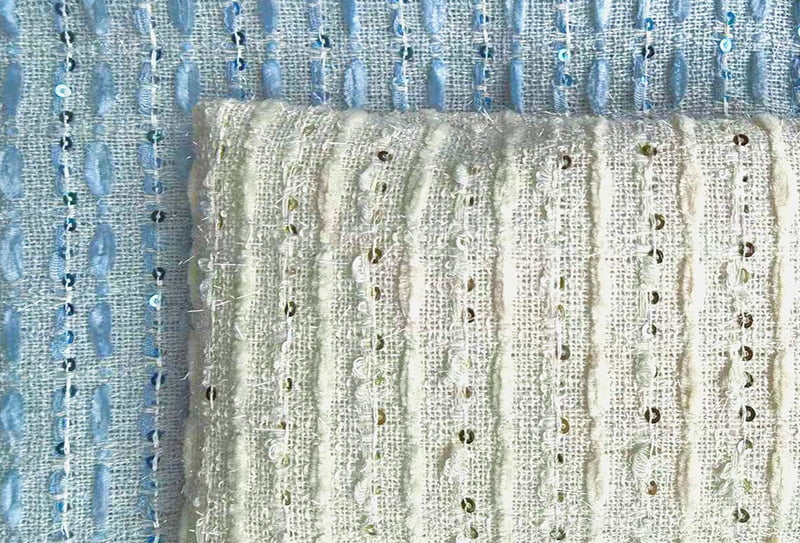
Chanel-inspired fabrics are typically made from a combination of natural and synthetic fibers, carefully blended to achieve a balance of softness, strength, and elasticity. Common materials include wool, cotton, polyester, and acrylic, often combined with metallic threads or embellishments to enhance texture and depth. The fabric is designed to be both tactilely pleasant and structurally reliable, ensuring garments retain shape and drape elegantly.
Texture and Finish
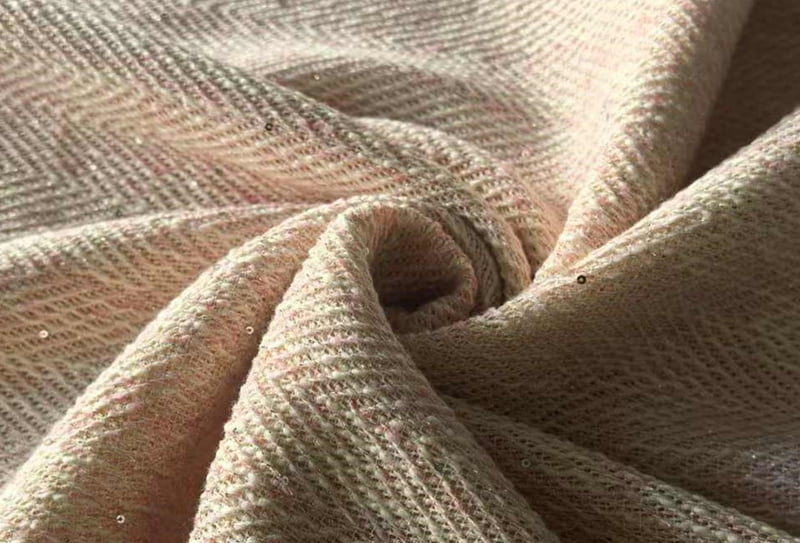
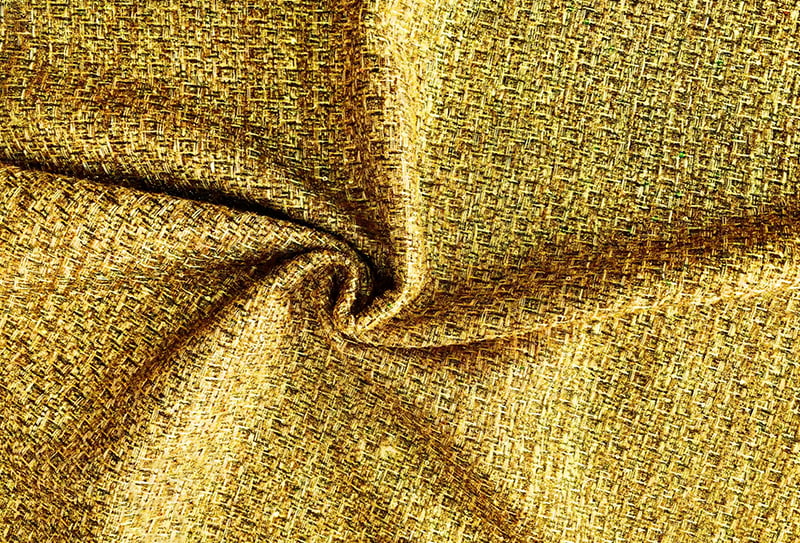
The texture of Chanel-inspired fabrics can range from smooth and glossy to slightly raised boucle or tweed-like surfaces. Many fabrics undergo processes such as brushing, embossing, or foil application to achieve distinctive finishes. The tactile experience is essential in this category, as it reflects luxury, craftsmanship, and attention to detail.
Applications
Chanel-inspired fabrics are versatile and primarily used in:
- High-end fashion garments, including jackets, skirts, and dresses
- Accessories like handbags, hats, and scarves
- Home décor items such as cushion covers and throws
The adaptability of these fabrics allows designers and manufacturers to create products that meet the aesthetic and quality standards of luxury consumers.
Parameters of Chanel-Inspired Fabric
| Parameter | Description |
|---|---|
| Fiber Composition | Blend of natural (wool, cotton) and synthetic (polyester, acrylic) fibers |
| Weave Type | Varies: boucle, tweed, plain, jacquard |
| Finish | Brushing, embossing, foil, embroidery |
| Applications | Garments, accessories, luxury home textiles |
| Origin | Supplied by Zhejiang Shaoxing Wanyi Textile Technology Co., Ltd |
| Target Markets | United States, Russia, India, Europe |
Zhejiang Shaoxing Wanyi Textile Technology Co., Ltd, established in 2019 and located at the 1st floor of Zone 1, Keqiao North Link Market, is a leading supplier of plush and specialty fabrics including Chanel-inspired textiles. The company integrates design, production, and sales, emphasizing high quality, competitive pricing, and sustainability. With 16 years of experience in plush fabric production, Wanyi provides one-stop solutions to international clients while promoting green textile technology and responsible manufacturing practices.
Comparison of Tweed Fabric with Other Woolen Textiles in Fashion and Interiors
Tweed fabric is a traditional woolen textile known for its durability, textured weave, and rustic aesthetic. Compared to other woolen fabrics such as flannel, merino, or cashmere blends, tweed offers several distinctive advantages and considerations in both fashion and interior applications.
1. Composition and Texture
Tweed is usually made from coarse wool and features a tight twill or plain weave, often with a flecked or heathered appearance. This texture gives it a robust and tactile feel, making it ideal for outerwear, jackets, and structured garments. In contrast, fabrics like flannel are softer and smoother, providing more comfort against the skin, while cashmere offers luxury softness but less durability for heavy-use applications.
2. Durability and Performance
One of tweed's key strengths is its resilience. Its dense weave provides excellent resistance to wear and tear, making it suitable not only for clothing that requires long-term use but also for interior textiles like upholstery, cushions, and drapery. Softer woolen fabrics, while more delicate, are better suited for lightweight garments and decorative interior elements where high abrasion resistance is not critical.
3. Aesthetic and Styling Versatility
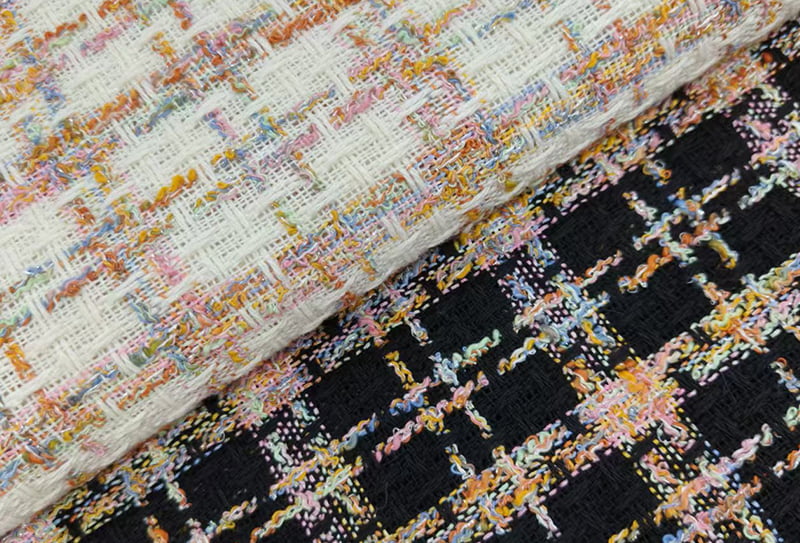
Tweed's classic patterns, including herringbone, houndstooth, and check, lend a sophisticated and timeless look, often associated with British heritage style. Other woolen fabrics like plain wool or merino offer smooth and solid colors, giving designers flexibility for modern, minimalistic, or sleek aesthetics. Tweed's visual texture adds character to both fashion and interior designs, creating a layered, cozy, and refined impression.
4. Climate Adaptability
Due to its thickness and insulating properties, tweed excels in cooler climates and transitional seasons. It provides warmth without heavy layering, making it a practical choice for both winter apparel and upholstery in temperate interiors. Lighter wool fabrics are preferred in warmer climates or for layering pieces in fashion where breathability is a priority.
5. Sustainability and Sourcing Considerations
With increasing attention to sustainable textiles, manufacturers like Zhejiang Shaoxing Wanyi Textile Technology Co., Ltd integrate responsible sourcing practices and eco-friendly production for plush fabrics. While tweed is traditionally wool-based, modern production can also incorporate recycled fibers or blended compositions to improve environmental performance while maintaining durability and style.
Parameter Comparison Table
| Feature | Tweed Fabric | Other Woolen Textiles (Flannel, Merino, Cashmere) |
|---|---|---|
| Texture | Coarse, textured, flecked | Smooth, soft, fine |
| Durability | High, resistant to wear | Medium to low |
| Aesthetic | Classic patterns, rustic | Solid colors, minimalistic |
| Suitable Use (Fashion) | Jackets, coats, structured garments | Shirts, sweaters, lightweight apparel |
| Suitable Use (Interiors) | Upholstery, cushions, drapery | Throws, soft cushions, decorative accents |
| Climate Adaptability | Cooler climates, transitional wear | All-season, lightweight options |
| Sustainability Potential | High with responsible sourcing | Variable depending on material and production |
Tweed stands out for its durability, classic aesthetic, and versatility in both fashion and interior applications. While softer wool fabrics may prioritize comfort and luxurious feel, tweed provides a balanced combination of texture, resilience, and timeless style. Companies like Zhejiang Shaoxing Wanyi Textile Technology Co., Ltd leverage their expertise in plush fabrics to offer high-quality, responsibly produced textiles that meet both practical and aesthetic needs for global markets.
문의하기
 중국 절강성 소흥시 커차오구 중국 섬유도시 북련시장 1구역 1층 1027호
  +86-159 8821 9333
