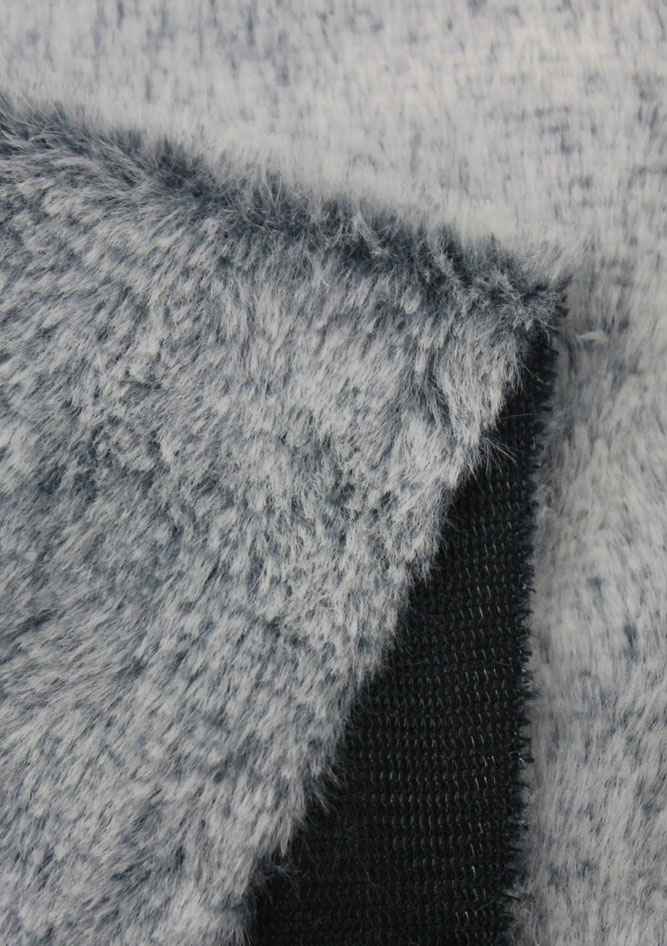
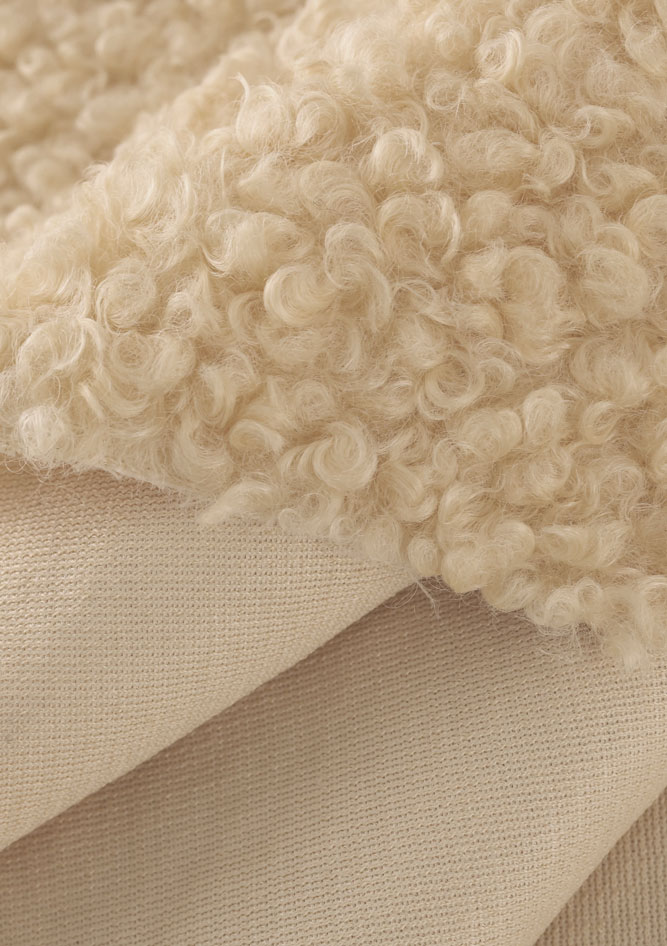
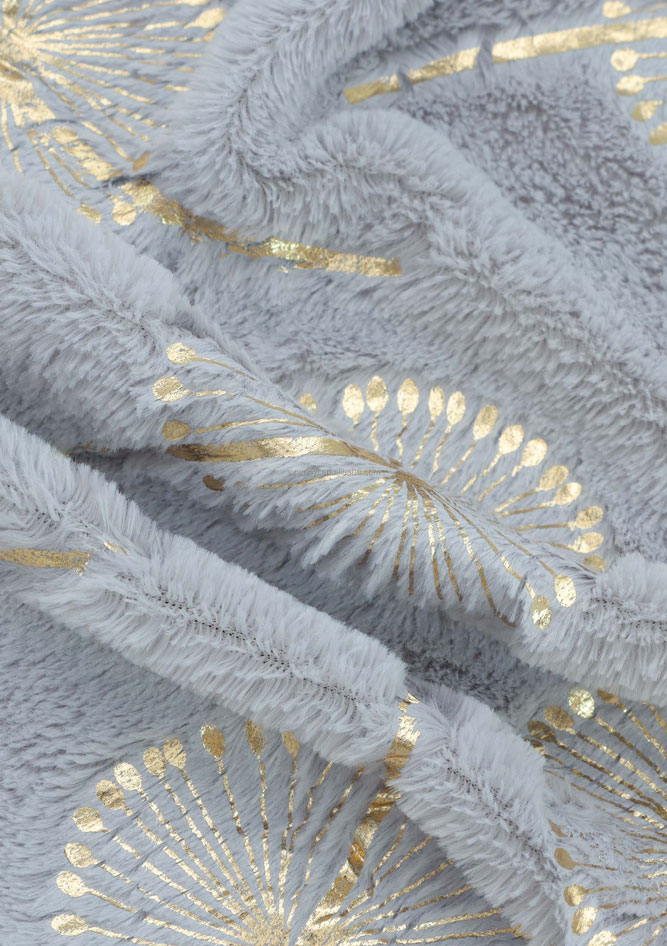
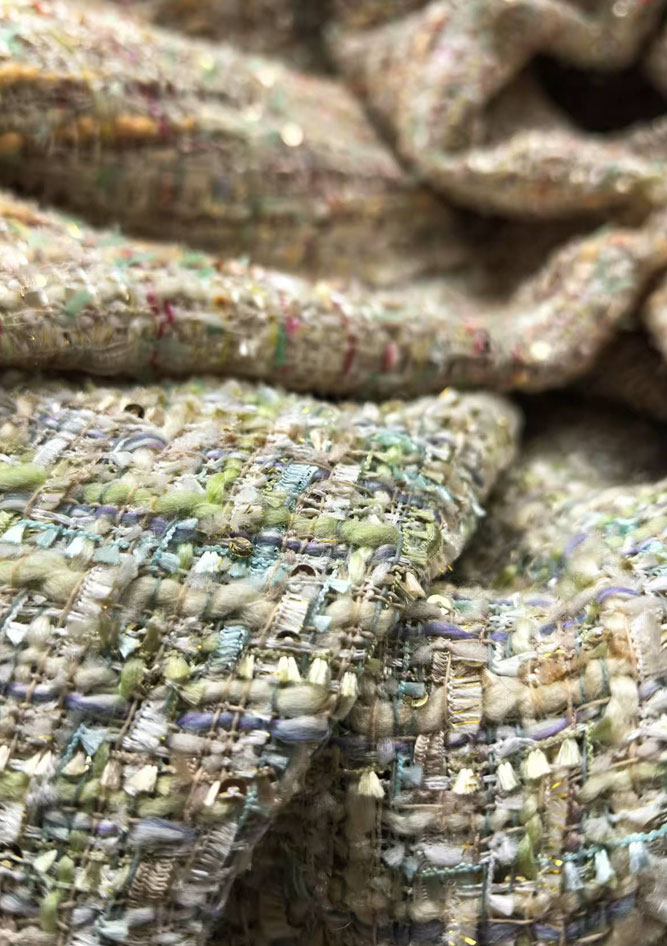
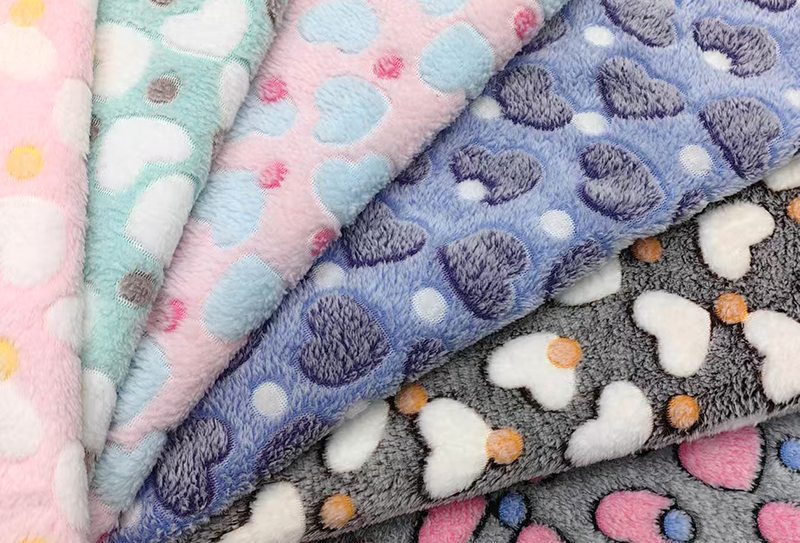
인조 여우 모피 원단 천연 여우 모피의 모양과 느낌을 모방한 고급스럽고 고급스러운 질감으로 유명합니다. 그러나 이 합성 소재는 특유의 부드러움과 푹신함을 유지하기 위해 특별한 주의가 필요합니다. 적절한 관리가 이루어지지 않으면 섬유가 뭉치거나 엉키거나 납작해져서 직물의 시각적 매력이 떨어질 수 있습니다. 이 가이드는 인조 여우 모피의 고급스러운 품질을 보존하여 수년 동안 부드럽고 푹신한 상태를 유지하기 위한 실용적이고 실행 가능한 방법을 제공합니다. 인조 모피 의류, 액세서리 및 가정 장식 품목의 많은 소유자는 ...
더 읽기
회사 소개
Shaoxing Wanyi Textile Co., Ltd.
Zhejiang Shaoxing Wanyi Textile Technology Co., Ltd는
중국 숏 플러시 원단 제조업체 및
맞춤형 숏 플러시 원단 회사. 2019년에 설립되었으며 아시아 최대 섬유 거래 센터인 Keqiao 노스 링크 마켓 1구역 1층에 위치해 있습니다. 설립 이후 회사는 플러시 원단에 대한 원스톱 솔루션 제공에 주력해 왔으며, 가격 우위, 품질 우선, 고객 우선, 상생 원칙을 준수하여 품질을 보장하면서 최고의 시장 가격으로 고객에게 최고의 제품을 제공합니다. 동시에 회사는 운영 모델에서 사회적 책임과 지속 가능한 개발에 더 중점을 둡니다. 현재 원단 디자인, 생산 및 판매를 통합한 종합 현대 기업으로 성장했습니다. 회사는 16년 동안 플러시 시리즈 제품을 취급해 왔으며, 주로 단색, PV 벨벳, 인조 모피, 호일, 자수, 브러싱 등의 공정을 다룹니다. 해외 상인에게 공급하는 데 특화되어 있으며, 현재 미국, 러시아, 인도 및 유럽 시장에 중점을 두고 있습니다. 협력 공장을 신중하게 선택함으로써 고객의 시장 경쟁력을 향상시킬 수 있으며, 고객으로부터 여러 긍정적인 평가를 받고 있습니다. 우리의 사명은 녹색 섬유 기술에 기여하면서 모든 직원에게 가치를 창출할 수 있는 플랫폼을 제공하는 것입니다. 우리의 비전은 세계 최고의 플러시 원단 제조업체가 되는 것입니다. 기업의 가치: 올바른 사고 방식을 사용하여 선을 위해 행동합니다.
뉴스
-
-
쇼룸에서 동일한 남색 소파 두 개를 선택하면 같은 질문을 듣게 될 것입니다. 하나의 가격이 왜 20% 더 높습니까? 답은 견본 태그에 작은 글자로 적혀 있습니다. 퍼포먼스 벨벳 . 퍼포먼스 벨벳은 실험실 테스트를 통해 얼룩, 액체, 마모 및 분쇄에 대한 저항성을 추가하는 동시에 클래식 벨벳의 조밀하고 부드러운 촉감을 유지하도록 설계된 실내 장식품 직물입니다. 벨벳 소파가 벨벳 로프 뒤에 사는 대신 거실에서 살아남을 수 있게 해주는 소재입니다. 벨벳의 약점은 결코 외모가 아니었기 때문에 카테고리는 빠르게 성장...
더 읽기 -
독특한 질감과 성능에 대한 이해 대형 입자 봉제 직물 올바른 용도에 맞게 선택하는 첫 번째 단계입니다. 이 직물은 두툼하고 명확하게 정의된 파일 구조로 정의되며, 이는 미세한 마이크로플리스나 표준 플러시 천과 크게 다릅니다. 개별 "입자" 또는 다발은 일반적으로 두꺼운 실로 형성되며 종종 선형 밀도가 300dtex를 초과하여 더 무겁고 질감이 있는 표면을 생성합니다[인용:3]. 이 구조는 내구성, 단열성, 촉감이 독특하게 조합되어 충격이 심한 특정 용도에 적합합니다. 가정용 직물의 주요 응용 분야 이 직물의 가장...
더 읽기
짧은 봉제 원단 산업 지식
Understanding Short Plush Fabric: Materials, Manufacturing, and Applications
Short plush fabric is a type of textile known for its soft, dense pile and smooth texture. It is widely used in apparel, toys, home textiles, and accessories due to its luxurious feel and versatile applications. The fabric is typically made from synthetic fibers such as polyester or a blend of polyester and cotton, which ensures durability, color retention, and ease of maintenance.
Materials and Composition
The main materials used in short plush fabric include:
- Polyester: Provides strength, wrinkle resistance, and vibrant color retention.
- Polyester-Cotton Blends: Offers a balance of softness, durability, and breathability.
- Faux Fur Variants: Mimic natural fur while being animal-friendly and cost-effective.
Manufacturing Process
Short plush fabric undergoes several key processes to achieve its characteristic texture:
- Weaving or Knitting: Base fabric is created using weaving or knitting techniques for stability.
- Brushing: Fibers are brushed to create a soft and even pile.
- Dyeing and Finishing: The fabric is dyed in plain or patterned colors, and additional finishes like embossing or foil can be applied.
Applications
Due to its soft handfeel and aesthetic appeal, short plush fabric is commonly applied in:
- Apparel: Jackets, hoodies, loungewear, and children's clothing.
- Toys: Stuffed animals, dolls, and decorative plush items.
- Home Textiles: Blankets, cushions, throws, and upholstery.
- Specialty Products: Accessories, bags, and seasonal decorations.
Key Features
| Feature | Description |
|---|---|
| Softness | Short plush fabric has a smooth and gentle texture, making it ideal for direct skin contact. |
| Durability | Made with high-quality synthetic fibers to ensure long-lasting performance. |
| Versatility | Can be produced in plain, printed, embossed, or embroidered variations. |
| Ease of Care | Resistant to wrinkles, shrinking, and fading when properly maintained. |
About Zhejiang Shaoxing Wanyi Textile Technology Co., Ltd
Zhejiang Shaoxing Wanyi Textile Technology Co., Ltd, established in 2019 and located on the 1st floor of Zone 1, Keqiao North Link Market — Asia’s largest textile trading center, is a leading supplier and wholesale manufacturer of short plush fabrics. The company integrates fabric design, production, and sales, focusing on plain colors, PV velvet, faux fur, foil, embroidery, brushing, and other plush fabric processes. With a strong emphasis on quality, price advantage, sustainability, and customer-first service, Wanyi has become a trusted partner for overseas markets including the United States, Russia, India, and Europe.
By collaborating with carefully selected factories, Zhejiang Shaoxing Wanyi Textile Technology Co., Ltd helps clients enhance market competitiveness while promoting sustainable textile practices. Its mission is to provide a platform for value creation for every employee and contribute to green textile technology, aiming to become a global leader in plush fabrics.
Comparing Short Plush Fabric with Other Plush Types: Benefits and Limitations
Plush fabrics are a diverse category of textiles characterized by their soft pile, tactile comfort, and aesthetic appeal. Among these, short plush fabric stands out for its dense, smooth, and even surface, making it ideal for a wide range of applications, including apparel, toys, home textiles, and accessories. To understand its unique value, it is helpful to compare short plush with other common plush types such as long plush, faux fur, and PV velvet.
Types of Plush Fabrics
- Short Plush: Features a pile height typically between 2–5 mm, providing a soft, velvety feel while maintaining durability and structure.
- Long Plush: Has longer fibers, generally 10–20 mm, creating a more fluffy and luxurious appearance but requiring more maintenance.
- Faux Fur: Mimics the look and feel of natural fur. Pile length varies widely and is used in high-end apparel and decorative products.
- PV Velvet: A smooth and shiny fabric with a dense structure, commonly applied in home textiles and luxury fashion items.
Benefits and Limitations
| Plush Type | Benefits | Limitations |
|---|---|---|
| Short Plush | Soft, smooth, and comfortable; durable and easy to maintain; cost-effective; versatile across different applications. | Less fluffy and luxurious than long plush; may have limited decorative appeal for premium products. |
| Long Plush | Luxurious and highly tactile; ideal for toys and decorative items that require visual and tactile impact. | Higher cost; fibers may shed; requires careful maintenance to preserve texture. |
| Faux Fur | Animal-friendly alternative; visually realistic; available in varied textures and colors. | Can be heavy; may require special cleaning methods; pile can mat or flatten over time. |
| PV Velvet | Shiny, elegant appearance; smooth handfeel; suitable for luxury garments and high-end home textiles. | Less flexible; shows wear over time; generally more expensive than short plush. |
Applications Comparison
The different plush types suit distinct applications based on their texture, pile length, and durability:
- Short Plush: Apparel such as jackets, hoodies, and loungewear; stuffed toys; blankets, cushions, and small home décor items; accessories like bags and slippers.
- Long Plush: Decorative toys and plush animals; high-end blankets and throws; luxury cushions and upholstery.
- Faux Fur: Coats, jackets, fashion accessories; home décor accents such as rugs and cushions; specialty crafts and seasonal products.
- PV Velvet: Luxury garments and formalwear; curtains, upholstery, and premium home textile products.
Industry Trends
Short plush fabric is increasingly favored in global markets for several reasons:
- Sustainability: Many manufacturers are adopting eco-friendly fibers and dyes to reduce environmental impact.
- Customization: Advances in dyeing, embossing, and printing allow diverse textures and patterns on short plush fabrics.
- Cost-Effectiveness: Short plush provides a balance between quality, feel, and price, making it attractive to large-scale apparel and toy manufacturers.
- Export Potential: High demand in overseas markets such as the United States, Russia, India, and Europe encourages manufacturers to maintain consistent quality and supply.
문의하기
 중국 절강성 소흥시 커차오구 중국 섬유도시 북련시장 1구역 1층 1027호
  +86-159 8821 9333
